When Is the Best Time to Trim Trees in Virginia?
Timing your tree trimming right can mean the difference between a thriving tree and a stressed one. Here is the seasonal guide for New River Valley homeowners.
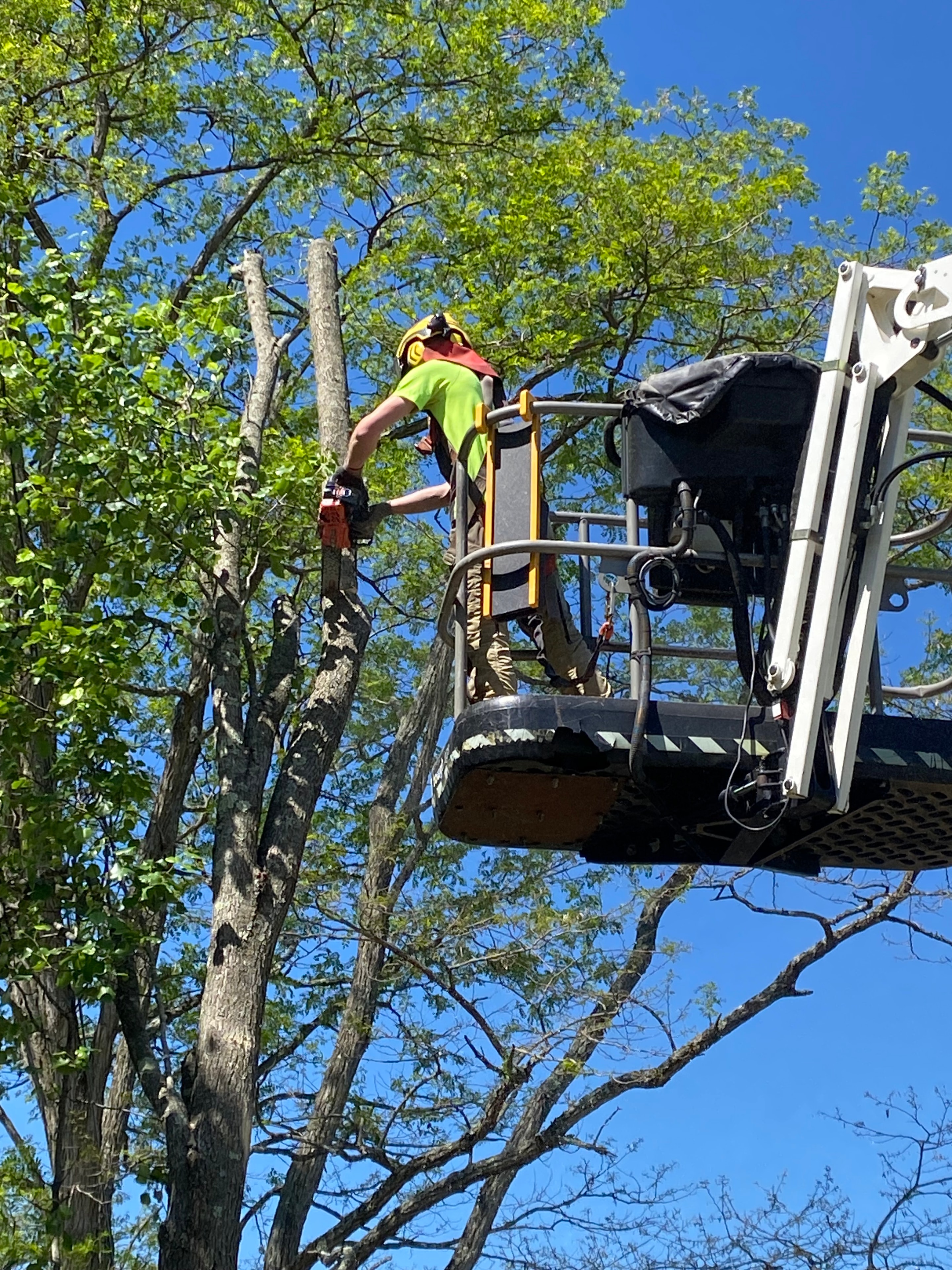
One of the most common questions we get from New River Valley homeowners is: "When should I trim my trees?" It's a great question — and the answer matters more than most people realize.
Trim at the wrong time and you can stress the tree, invite disease, or trigger a burst of weak new growth right before winter. Trim at the right time and you get cleaner cuts, faster healing, and a healthier tree for years to come.
Here's the seasonal guide we follow — built from decades of pruning work across the New River Valley.
The Short Answer: Late Winter Is Best
For most trees in the New River Valley, late winter — February through early March — is the ideal time for major trimming and pruning work.
Here's why:
- Trees are dormant, so they're not actively growing and won't be stressed by the cuts
- No leaves means better visibility into the branch structure
- Insects and disease that enter through fresh cuts are less active in cold weather
- The tree will heal quickly once spring growth begins — cuts made in late winter close faster than cuts made in summer or fall
Seasonal Breakdown for Virginia Trees
Late Winter (February – Early March): Best for Major Pruning
This is the prime window for structural pruning, deadwood removal, and any significant trimming work. The tree is dormant, pests are inactive, and spring growth is just around the corner to help the tree heal.
Good for: Oaks, maples, elms, hickories, most hardwoods, fruit trees
Avoid: Pruning too early in January during a warm spell — a late freeze after new growth starts can damage fresh cuts
Spring (April – May): Light Trimming Only
Once trees leaf out, avoid heavy pruning. The tree is putting enormous energy into new growth, and removing large branches during this period can stress it significantly.
Acceptable in spring:
- Removing dead or broken branches
- Light shaping of ornamental trees
- Removing suckers and water sprouts
Avoid: Major structural pruning, removing more than 25% of the canopy
Summer (June – August): Minimal Intervention
Summer pruning is generally not recommended for most trees. The heat stresses trees, and fresh cuts are more vulnerable to insects and fungal disease during warm, humid weather.
Exceptions:
- Removing hazardous dead branches that pose an immediate risk
- Light trimming of fast-growing species like Bradford pears or silver maples
- Corrective pruning after storm damage
Fall (September – November): Avoid If Possible
Fall is actually the worst time to prune most trees. Here's why:
- Pruning stimulates new growth, and that new growth won't have time to harden before winter
- Fungal spores are highly active in fall, and fresh cuts are vulnerable
- The tree is preparing to go dormant and doesn't have the energy to heal cuts efficiently
Exception: Removing dead, diseased, or hazardous branches is always appropriate regardless of season.
Species-Specific Timing in Virginia
Oak Trees: Never Prune April Through June
Oak wilt is a serious fungal disease that spreads rapidly in spring and early summer. In Virginia, oak trees should never be pruned between April 1 and June 30 — this is when the beetles that spread oak wilt are most active.
If you must prune an oak during this period (storm damage, emergency), seal the cuts immediately with pruning paint or shellac.
Best time for oaks: December through March
Dogwoods: Late Winter Before Bud Break
Dogwoods are susceptible to dogwood anthracnose, a fungal disease. Prune in late winter before buds open, and avoid pruning in wet weather.
Fruit Trees: Late Winter for Maximum Yield
Apple, pear, and cherry trees should be pruned in late February or early March for best fruit production. Pruning in late winter encourages vigorous spring growth and better fruit set.
Evergreens: Late Winter or Early Summer
Most evergreens (pines, spruces, firs) can be lightly trimmed in late winter or in early summer after the new growth (candles) has extended but before it hardens.
Signs Your Tree Needs Trimming Regardless of Season
Some situations call for trimming no matter what time of year it is:
- Dead or broken branches — remove these immediately; they're a hazard
- Branches touching your roof or power lines — address these as soon as you notice them
- Crossing branches rubbing together — this creates wounds that invite disease
- Storm damage — always address promptly to prevent further decline
Why Hire a Certified Arborist for Tree Trimming?
Improper pruning is one of the leading causes of tree decline and death. Common mistakes include:
- Topping — cutting the main trunk or large branches back to stubs. This is almost always harmful and leads to weak, fast-growing regrowth that's more hazardous than the original tree.
- Flush cuts — cutting too close to the trunk removes the branch collar, which is the tree's natural healing zone
- Lion's tailing — removing too many interior branches, leaving a tuft of foliage only at the branch tips. This weakens the branch structure and increases wind resistance.
Our ISA & TCIA certified arborists follow ANSI A300 pruning standards — the industry benchmark for proper tree care.
Free Estimates for Tree Trimming in the New River Valley
Whether you're dealing with a single hazardous limb or a mature oak that hasn't been touched in years, timing and technique both matter. We're familiar with the species common to this part of Virginia and how they respond to pruning at different points in the season.
Call (540) 951-1458 for a free estimate — we'll take a look and tell you what the tree actually needs.
Explore Topics
Written by
Blue Ridge Tree Specialists
Written by the Blue Ridge Tree Specialists team, drawing on more than four decades of local tree-care experience in the New River Valley.